jthread 与 stop_token
C++20 提供了:
std::jthread
它可以理解成一个更适合现代 C++ 的线程类。
和 std::thread 相比,它最重要的改进有两个:
1. 生命周期更安全
   → 析构时自动处理线程,不容易因为漏写 join() 而出问题

2. 自带协作式停止机制
   → 可以通过 stop_token / request_stop() 请求线程安全退出
所以这一节最重要的是把两个概念分开:
线程生命周期管理
→ 谁负责等待线程结束

线程停止协议
→ 谁发出停止请求,工作线程怎么响应
std::jthread 同时解决了这两个问题,但它并不是“自动强杀线程”的工具。
为什么需要 std::jthread
std::thread 的问题
使用普通 std::thread:
std::thread thread(work);
在线程对象析构之前,必须保证它已经:
thread.join();
或者:
thread.detach();
否则,如果一个仍然 joinable() 的 std::thread 被析构,程序会调用:
std::terminate();
For example:
#include <print>
#include <thread>

void work()
{
    std::println("working");
}

int main()
{
    std::thread thread(work);

    // 如果这里忘记 join() / detach()
}
程序离开 main() 时,thread 仍然是 joinable 的,于是会触发 std::terminate()。

真正麻烦的是,当程序中出现:
异常
提前 return
多个 if / else 分支
复杂资源管理
就更容易漏掉 join()。
这和手动管理 new/delete 有点像:
代码简单时看起来没问题

控制路径一复杂
→ 很容易忘记收尾
而现代 C++ 更倾向于通过 RAII 自动管理资源。
线程也一样。
std::jthread 会自动处理线程结束
最简单的例子:
#include <print>
#include <thread>

void work()
{
    std::println("working");
}

int main()
{
    std::jthread thread(work);
}
Running result:
working
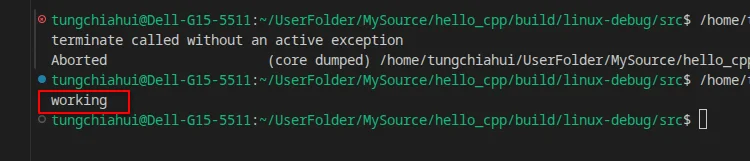
这里没有写:
thread.join();
但程序仍然可以正常结束。
因为当:
std::jthread thread;
离开作用域时,如果它仍然是 joinable 的,析构函数会负责收尾。
可以先粗略理解成:
std::thread
→ 需要自己保证 join() / detach()

std::jthread
→ 析构时自动处理
不过 jthread 的析构不只是简单地 join()。
更准确地说,如果它仍然 joinable,析构过程概念上会做:
request_stop()
      ↓
join()
That is: if the communication parameters (like baud rate) set in the microcontroller program are not consistent with those configured in the serial port software on the PC, the communication between the microcontroller and the computer will fail.
先请求线程停止,然后等待线程真正结束。
这也是 jthread 和普通 thread 一个很重要的区别。
jthread 不会强制杀死线程
std::jthread 使用的是:
协作式停止(cooperative cancellation)
所谓“协作式”,意思是:
某个线程:
发出停止请求
      ↓
工作线程:
看到停止请求
      ↓
工作线程:
自己选择一个安全的位置退出
而不是:
request_stop()
      ↓
操作系统立刻把工作线程强行杀掉
标准库不会随便把线程从某条机器指令中间直接掐死。
原因很简单。
线程可能正在:
持有 mutex
修改共享数据
写文件
操作硬件
分配 / 释放资源
修改对象内部状态
如果在任意位置强制终止线程,很容易把程序状态搞坏。
So:
thread.request_stop();
更像是在告诉工作线程:
“你该停了,请在合适的位置自己退出。”
而不是:
“现在立刻把你杀掉。”
stop_token 停止协议
std::stop_token
What is stop_token?
std::stop_token 可以理解成:
停止请求的观察端。
它本身不能发出停止请求,只能查看:
有没有人要求我停止?
For example:
stop_token.stop_requested();
返回:
true  → 已经有人请求停止
false → 目前还没有停止请求
jthread 内部有一个停止状态,可以粗略理解成:
jthread / stop_source
        ↓
   发出停止请求

   共享停止状态

        ↑
   查看停止请求
        ↑
    stop_token
In other words:
request_stop()
→ 写入“停止请求”

stop_requested()
→ 查看“停止请求”
jthread 可以自动传入 stop_token
来看一个最典型的例子:
#include <chrono>
#include <print>
#include <stop_token>
#include <thread>

using namespace std::chrono_literals;

void worker(std::stop_token token)
{
    while (!token.stop_requested())
    {
        std::println("working");
        std::this_thread::sleep_for(100ms);
    }

    std::println("stopping");
}

int main()
{
    std::jthread thread(worker);

    std::this_thread::sleep_for(350ms);

    thread.request_stop();
}
可能输出:
working
working
working
working
stopping
这里最特别的是:
void worker(std::stop_token token)
但创建线程时却只写了:
std::jthread thread(worker);
我们并没有手动传:
worker(token);
因为 std::jthread 发现这个函数可以接收 std::stop_token,于是会自动把自己的 stop token 传进去。
可以近似理解成:
std::jthread thread(worker);

内部效果类似:

worker(jthread 自动提供的 stop_token);
这里不可以显式填参数,比如std::jthread thread(worker, thread.get_stop_token());,
这是非法的,原因非常直接:在执行构造函数参数时,thread 对象还没有构造完成,所以你还不能调用thread.get_stop_token()。
所以这里直接记住他会自动把自己的stop token传入进去就行了,不需要我们手动传入。
request_stop()
调用:
thread.request_stop();
Indicates:
向这个
jthread关联的停止状态发出停止请求。
它只负责“发请求”。
它不会:
强制终止线程
自动跳出 while
直接让 worker return
等待线程结束
真正决定什么时候退出的是工作线程。
For example:
while (!token.stop_requested())
{
    do_work();
}
每轮循环检查:
token.stop_requested()
一旦发现停止请求,就退出循环。
整个流程是:
main
│
│ 创建 jthread
↓
worker 开始执行
│
│ while (!token.stop_requested())
│
│ working...
│
│ working...
│
↑
main 调用 request_stop()
│
↓
停止状态变成“已请求停止”
│
↓
worker 下一次检查 stop_requested()
│
↓
发现为 true
│
↓
退出循环
所以最重要的一句话是:
request_stop()只是请求停止,真正停止必须由工作线程自己配合。
request_stop() 的返回值
request_stop() 会返回一个 bool:
bool result = thread.request_stop();
可以粗略理解成:
true
→ 这次调用真的把状态从
  “还没请求停止”
  改成了
  “已经请求停止”

false
→ 之前已经请求过停止
  或者当前停止状态无法产生停止请求
普通业务代码经常不需要关心这个返回值。
直接写:
thread.request_stop();
就可以。
stop_possible()
stop_token 还可以调用:
token.stop_possible();
它表示:
这个 token 是否关联着一个“有可能收到停止请求”的停止状态。
For example:
std::stop_token token;
这是一个默认构造的 token,它没有关联正常的停止状态。
此时通常:
token.stop_possible()  == false
token.stop_requested() == false
而 std::jthread 自动提供的 token 通常是:
stop_possible() == true
对于普通使用来说,最常用的还是:
stop_requested()
stop_possible() 更多是在需要判断“这个 token 到底支不支持停止协议”时使用。
jthread 析构时到底发生什么
假设:
{
    std::jthread thread(worker);
}
执行到右花括号:
}
thread 开始析构。
如果它仍然是 joinable 的,那么概念上会:
thread.request_stop();
        ↓
thread.join();
So:
{
    std::jthread thread(worker);
}
可以理解成退出作用域时自动做了:
thread.request_stop();
thread.join();
这也是为什么这种代码可以正常工作:
#include <print>
#include <stop_token>
#include <thread>

void worker(std::stop_token token)
{
    while (!token.stop_requested())
    {
        // work
    }

    std::println("stopped");
}

int main()
{
    std::jthread thread(worker);
}
main() 结束时:
jthread 析构
    ↓
request_stop()
    ↓
worker 看到停止请求
    ↓
worker 退出
    ↓
join() 等待结束
    ↓
析构完成
但析构也不能“凭空让线程退出”
下面这个线程完全不检查 stop_token:
void worker(std::stop_token)
{
    for (;;)   //死循环,效率比while(true)高
    {
    }
}
然后:
int main()
{
    std::jthread thread(worker);
}
离开 main() 时:
jthread 析构
    ↓
request_stop()
    ↓
停止请求确实发出了
    ↓
但是 worker 根本不检查
    ↓
for(;;) 继续运行
    ↓
析构函数接着 join()
    ↓
join() 一直等
程序就会一直卡在那里。
因此:
jthread提供的是停止协议,不是强制终止能力。
所以对于长期运行的 worker,一般应该在合适的位置检查:
token.stop_requested()
For example:
while (!token.stop_requested())
{
    do_some_work();
}
而不是只在线程开头检查一次:
if (token.stop_requested())
{
    return;
}

// 后面运行几个小时都不再检查
阻塞操作也会影响停止速度
即使代码写成:
while (!token.stop_requested())
{
    blocking_operation();
}
也不代表线程一定能马上停止。
假设:
blocking_operation();
一次会阻塞 30 秒。
那么即使外部已经执行:
thread.request_stop();
工作线程也必须先从:
blocking_operation();
返回,才能进行下一轮:
token.stop_requested()
所以停止响应速度还取决于工作线程内部在干什么。
对于需要快速停止的线程,要考虑:
阻塞函数有没有超时

阻塞操作能不能被唤醒

能不能把长任务拆成多个小步骤

能不能在多个安全点检查 stop_requested()
For example:
while (!token.stop_requested())
{
    do_small_step();
}
通常比:
while (!token.stop_requested())
{
    do_one_huge_blocking_job();
}
更容易快速响应停止请求。
std::stop_source
前面说过:
stop_token
→ 观察停止请求
那么谁负责发出停止请求?
除了 jthread.request_stop(),标准库还提供:
std::stop_source
它可以理解成:
停止请求的控制端。
For example:
#include <print>
#include <stop_token>

int main()
{
    std::stop_source source;

    std::stop_token token = source.get_token();

    std::println("{}", token.stop_requested());

    source.request_stop();

    std::println("{}", token.stop_requested());
}
Running result:
false
true
整个关系可以理解成:
stop_source
    │
    │ request_stop()
    ↓
共享停止状态
    ↑
    │ stop_requested()
stop_token
So:
std::stop_source source;
负责:
发请求
而:
std::stop_token token = source.get_token();
负责:
看请求
多个 stop_token 可以观察同一个停止状态
For example:
std::stop_source source;

std::stop_token token1 = source.get_token();
std::stop_token token2 = source.get_token();
std::stop_token token3 = source.get_token();
这三个 token 都关联到同一个停止状态。
当:
source.request_stop();
之后:
token1.stop_requested()
token2.stop_requested()
token3.stop_requested()
都会变成:
true
所以 stop_source + stop_token 很适合表达:
一个管理者
    ↓
统一发出停止请求
    ↓
多个任务 / 对象
    ↓
一起观察同一个停止状态
std::stop_callback
有时候我们不想一直手动检查:
token.stop_requested()
而是希望:
一旦停止请求出现,就自动执行某个操作。
可以使用:
std::stop_callback
For example:
#include <print>
#include <stop_token>

int main()
{
    std::stop_source source;
    std::stop_token token = source.get_token();

    std::stop_callback callback(token, [] {
        std::println("stop requested");
    });

    source.request_stop();
}
Running result:
stop requested
In other words:
request_stop()
      ↓
停止状态改变
      ↓
已经注册的 stop_callback 被调用
他如果是jthread调用的话,那么顺序是:
request_stop()
    ↓
同步执行 stop_callback
    ↓
request_stop() 返回
    ↓
join()
也就是说,callback 先于 join() 完成。std::jthread 的析构本身就是先调用 request_stop(),再调用 join()。
它很适合干一些很轻量的事情,例如:
设置状态

唤醒某个等待对象

通知某个组件开始收尾
但不建议在 callback 里面做:
复杂计算
长时间 IO
长时间阻塞
大量锁操作
因为停止路径本身应该尽量简单、可控。
还有一个细节:
如果注册 callback 时,停止请求已经发生,那么 callback 可能会在注册过程中直接执行。
所以不要假设:
callback 一定会在未来某个时间
由另一个线程执行
jthread 的线程函数和生命周期操作
jthread 不一定非要使用 stop_token
std::jthread 也可以像普通 std::thread 一样运行普通函数。
For example:
#include <print>
#include <thread>

void work(int value)
{
    std::println("{}", value);
}

int main()
{
    std::jthread thread(work, 42);
}
Running result:
42
这里:
void work(int value)
根本没有 stop_token。
没有关系。
jthread 会判断这个函数能不能接收自动提供的 stop token。
可以简单理解成:
如果函数可以这样调用:

worker(stop_token, args...)

→ 自动传入 stop_token

否则如果函数只能这样调用:

worker(args...)

→ 就像普通 thread 一样调用
所以两种写法都可以:
void worker(std::stop_token token);
以及:
void worker();
带额外参数的 stop_token 线程函数
For example:
#include <print>
#include <stop_token>
#include <thread>

void worker(std::stop_token token, int id)
{
    std::println("worker {}", id);

    while (!token.stop_requested())
    {
        // work
    }
}

int main()
{
    std::jthread thread(worker, 7);

    thread.request_stop();
}
这里:
std::jthread thread(worker, 7);
可以理解成最终调用:
worker(自动提供的 stop_token, 7);
所以如果函数需要 stop token,参数顺序通常是:
void worker(std::stop_token token, 参数1, 参数2, ...)
For example:
void worker(
    std::stop_token token,
    int id,
    std::string name);
创建:
std::jthread thread(worker, 7, "camera");
相当于:
worker(
    自动提供的 stop_token,
    7,
    "camera"
)
jthread 仍然可以手动 join()
虽然 jthread 会自动 join,但你仍然可以自己写:
std::jthread thread(work);

thread.join();
执行完:
thread.join();
以后:
thread.joinable()
会变成:
false
因为这个 jthread 已经不再关联一个可 join 的执行线程。
So:
自动 join
并不代表:
不能手动 join
它只是意味着:
如果你没手动处理,析构函数会帮你安全收尾。
jthread 也可以 detach(),但通常不推荐
jthread 仍然提供:
thread.detach();
但这样做以后:
jthread 不再拥有这个线程

析构时也没办法再 join 它
于是 jthread 最重要的 RAII 生命周期优势基本就没有了。
所以如果你发现自己准备写:
thread.detach();
最好先问几个问题:
这个线程以后由谁负责?

程序退出时它怎么结束?

它访问的对象会不会已经析构?

它访问的资源能活多久?
除非你非常明确地知道线程生命周期怎么管理,否则一般不建议随便 detach。
condition_variable_any 与 stop_token
前面提到一个问题:
如果线程正在:
condition_variable.wait(...)
里面睡眠,那么只检查:
token.stop_requested()
是不够的。
因为线程可能根本没机会执行到下一次检查。
C++20 的:
std::condition_variable_any
提供了可以直接配合 stop_token 的等待方式。
For example:
#include <condition_variable>
#include <mutex>
#include <stop_token>
#include <thread>

std::mutex mutex;
std::condition_variable_any cv;

bool ready = false;

void worker(std::stop_token token)
{
    std::unique_lock lock(mutex);

    bool condition_met = cv.wait(
        lock,
        token,
        [] {
            return ready;
        });

    if (!condition_met)
    {
        // 没等到 ready == true,
        // 而是因为停止请求结束等待
        return;
    }

    // ready == true
}
可以把这次等待理解成:
等待两个条件中的任意一个:

1. ready == true

或者

2. 收到停止请求
If:
condition_met == true
表示谓词:
ready == true
成立。
If:
condition_met == false
说明这次等待并不是因为 ready 成立而结束,通常就是因为收到了停止请求。
这样工作线程即使正在条件变量里等待,也能够响应 jthread 的停止协议。
选择与常见错误
std::thread 和 std::jthread 对比
| Features | std::thread | std::jthread |
|---|---|---|
| 引入版本 | C++11 | C++20 |
|创建线程|✅|✅|
|Manual join()|✅|✅|
|Manual detach()|✅|✅|
|析构时自动收尾|❌|✅|
|joinable 状态析构会 terminate()|✅|❌|
|自带停止请求机制|❌|✅|
|自动提供 stop_token|❌|✅|
|适合长期可停止 worker|General|✅|
如果项目可以使用 C++20,对于这种线程:
启动
↓
持续运行
↓
程序退出时请求停止
↓
安全结束
通常优先考虑:
std::jthread
atomic<bool> running 和 stop_token 怎么选
传统代码经常这样写:
std::atomic<bool> running{true};

void worker()
{
    while (running.load())
    {
        // work
    }
}
停止时:
running.store(false);
这种写法没有问题。
对于非常简单的线程,它甚至很直观。
For example:
running == true
→ 继续运行

running == false
→ 停止
但是:
std::stop_token
提供的是一套标准化的停止协议。
它可以和:
std::jthread

std::stop_source

std::stop_callback

std::condition_variable_any
直接配合。
可以理解成:
atomic<bool>

→ 只是一个线程安全的 bool
→ “true / false 到底是什么意思”由你自己规定
而:
stop_token

→ 专门表达“停止请求”
→ 标准库里的多个工具都认识这种协议
因此:
非常简单的开关
→ atomic<bool> 完全可以

明确的线程停止生命周期
→ jthread + stop_token 更合适
Common Errors
错误:以为 request_stop() 会强制杀死线程
错误理解:
request_stop()
→ 线程立刻消失
正确理解:
request_stop()
→ 发出停止请求
→ 工作线程自己检查并退出
错误:worker 从来不检查 stop_requested()
For example:
void worker(std::stop_token)
{
    while (true)
    {
        do_work();
    }
}
即使 jthread 析构时自动:
request_stop();
这个线程也不会退出。
最终析构中的:
join();
会一直等。
错误:检查了停止请求,但中间阻塞太久
For example:
while (!token.stop_requested())
{
    blocking_operation(); // 一卡几十秒
}
停止请求虽然已经发出,但线程要等到阻塞操作返回后才能再次检查。
错误:用了 jthread 又随手 detach()
这样会失去:
自动 join
自动停止请求
RAII 生命周期管理
这些主要优势。
错误:在 stop_callback 里做大量复杂工作
callback 更适合:
轻量通知
设置状态
唤醒等待者
而不是承担复杂业务逻辑。
错误:以为“收到停止请求”就会立刻终止线程(重要)
request_stop() 只是发出停止请求,并不会强制中断工作线程。
工作线程通常会在某些安全检查点主动检查:
token.stop_requested()
For example:
while (!token.stop_requested())
{
    finish_one_small_task();
}
如果停止请求恰好在 finish_one_small_task() 执行过程中到来,这个函数不会被强行执行到一半就终止。
线程通常会先完成当前这一小块工作,然后回到循环条件:
token.stop_requested()
发现停止请求后,再退出循环并结束线程。
可以理解成:
收到停止请求
↓
完成当前不能被随意打断的小任务
↓
到达安全检查点
↓
发现 stop_requested() == true
↓
退出循环
↓
完成必要的收尾
↓
线程结束
而 join() 的作用只是:
等待这个线程真正结束。
所以典型关系是:
request_stop()
→ 请求线程停止

worker 在安全位置响应请求并退出

join()
→ 等待 worker 退出完成
所谓“合适、安全的位置”,就是线程状态已经完整、资源处于一致状态,此时退出不会留下半完成操作的位置。
安全点 = 可以开始退出的位置;函数 return = 线程真正退出。
所以可以这么理解例子中的worker函数 返回 ≈ 这个线程执行结束。
Summary
std::jthread 可以理解成:
带 RAII 生命周期管理和标准停止协议的
std::thread。
最重要的几个点:
std::thread
→ 必须自己保证 join() / detach()

std::jthread
→ 析构时自动 request_stop() + join()
停止机制:
request_stop()
→ 发出停止请求

stop_token.stop_requested()
→ 查看是否收到停止请求
它是:
协作式停止
而不是:
强制杀死线程
另外:
stop_source
→ 发出停止请求

stop_token
→ 观察停止请求

stop_callback
→ 停止请求出现时执行回调
对于 C++20 中“启动后持续运行、退出时需要安全停止”的后台线程,一般可以优先考虑:
std::jthread + std::stop_token
而不是:
std::thread + 手写生命周期管理 + 自定义 atomic<bool> 停止协议